
Attending psychology conferences in South Korea in 2026 requires early and strategic preparation to make the experience truly rewarding. As South Korea continues to grow as a leading destination for international academic events, these conferences offer researchers valuable opportunities to present findings, exchange ideas, and collaborate with global experts. Careful planning helps participants select suitable events, prepare strong submissions, manage travel and funding, and adapt to academic and cultural expectations. With the right approach, researchers can enhance professional visibility and gain lasting academic benefits Psychology Conferences in South Korea 2026.
Understanding the Scope of Psychology Conferences in South Korea!
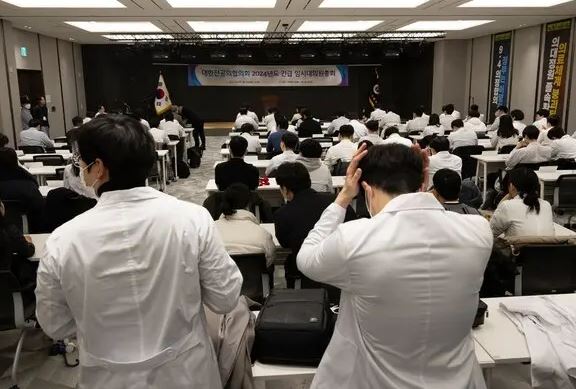
Understanding the scope of psychology conferences in South Korea highlights the country’s growing role in global academic research. In 2026, these conferences are expected to cover diverse themes such as clinical psychology, neuroscience, mental health, behavioral science, and applied psychology. Events will range from academic symposiums to industry-focused forums, attracting researchers, clinicians, educators, and students. Strong international participation will encourage cross-cultural collaboration, knowledge exchange, and exposure to emerging research trends across the global psychology community.
Identifying the Right Conference for Your Research
Identifying the right conference for your research is essential for maximizing academic impact and professional growth. Researchers should carefully review conference themes, session tracks, and keynote topics to ensure alignment with their study area. Understanding the target audience—such as academics, practitioners, or industry professionals—helps refine presentation goals and networking strategies. Matching your research interests with the conference focus not only increases acceptance chances but also ensures meaningful discussions, valuable feedback, and relevant collaboration opportunities.
Tracking Important Dates and Deadlines
Tracking important dates and deadlines is crucial for successful conference participation. Researchers should note abstract submission dates, full paper deadlines, and revision timelines well in advance to avoid last-minute stress. Keeping track of early-bird registration periods can also help reduce costs. Additionally, monitoring acceptance and notification dates allows sufficient time for travel planning, visa arrangements, and presentation preparation, ensuring a smooth and well-organized conference experience.
Preparing a Strong Research Abstract and Paper
Preparing a strong research abstract and paper is vital for conference acceptance and impact. A high-quality abstract should clearly present the research objective, methodology, key findings, and significance in a concise manner. Following the conference’s formatting and submission guidelines is essential to avoid rejection. Researchers should also understand reviewer expectations, focusing on originality, clarity, methodological rigor, and relevance to the conference theme to improve evaluation outcomes.
Choosing Between Oral, Poster, and Virtual Presentations
Choosing between oral, poster, and virtual presentations depends on your research goals and communication style. Oral presentations suit studies with clear findings and broad appeal, allowing direct engagement with audiences. Poster sessions are ideal for detailed discussions and early-stage research. Virtual presentations offer flexibility and wider reach for international participants. Understanding each format’s structure, time limits, and interaction level helps researchers select the most suitable option for effectively showcasing their work.
Enhancing Presentation and Communication Skills
Enhancing presentation and communication skills is essential for delivering impactful research at international conferences. Clear research storytelling helps audiences quickly understand the study’s purpose, methods, and findings. Well-structured slides with minimal text, strong visuals, and consistent formatting improve clarity. Researchers should also adapt their language and examples to engage diverse, international audiences, practice confident delivery, and prepare for questions to ensure effective knowledge sharing and professional impression.
Read More: Must-Attend Psychology Conferences in South Korea for Researchers in 2026!
Planning Travel, Accommodation, and Conference Logistics
Planning travel, accommodation, and conference logistics ensures a smooth and stress-free experience. Researchers should review visa requirements early and prepare necessary documents well in advance. Booking flights and accommodation near the conference venue saves time and reduces travel fatigue. Understanding local transportation options, such as public transit and taxis, helps with daily commuting. Careful logistical planning allows participants to focus fully on networking, learning, and presenting their research effectively.
Understanding Cultural and Academic Etiquette in South Korea
Understanding cultural and academic etiquette in South Korea is important for making a positive professional impression. Researchers should follow formal communication styles, respect hierarchy, and use polite language during interactions. Punctuality, appropriate attire, and attentive behavior during sessions reflect professionalism. Being mindful of greeting customs and respectful networking practices helps build trust and strengthens academic relationships at conferences.
Networking Strategies for Researchers and 0
Effective networking helps researchers expand professional connections and collaboration opportunities. Attending networking sessions, panel discussions, and social events allows meaningful interactions with peers and experts. Preparing a brief research introduction, actively engaging in discussions, and thoughtfully approaching keynote speakers can lead to valuable academic partnerships and long-term professional growth.
Budgeting and Funding for Conference Participation
Budgeting and funding planning helps researchers manage conference expenses effectively. Key costs include registration fees, travel, accommodation, meals, and local transportation. Exploring institutional funding, research grants, sponsorships, and travel support programs can reduce financial burden. Early budgeting also allows better decision-making, ensuring researchers participate comfortably while focusing on academic goals rather than financial concerns.
Final Preparation Checklist Before the Conference
A final preparation checklist ensures readiness before departure. Researchers should verify travel documents, visas, and registration confirmations. Rehearsing presentations, checking presentation formats, and backing up files is essential. Confirming accommodation, transportation, and conference schedules helps avoid last-minute issues and ensures a smooth, confident conference experience.
Successfully participating in psychology conferences in South Korea in 2026 requires careful and proactive preparation. From selecting the right conference and preparing a strong abstract to planning travel, understanding cultural etiquette, and leveraging technology, each step contributes to a smooth and impactful experience. By following these guidelines, researchers can maximize learning, networking, and publication opportunities. For more detailed tips, checklists, and comprehensive guidance on conference preparation, visit our blog page, where we provide all the information you need.
References:
Best Read